
What is Biomass?
What is Biomass? Understanding Its Energy Potential
Biomass, derived from organic matter sourced from plants and animals, holds promise as a renewable energy source in our quest for sustainability. But what is Biomass? This versatile resource encompasses forestry by-products, agricultural residues, and even landfill waste. Understanding what is Biomass is crucial for recognising its potential in the energy sector.
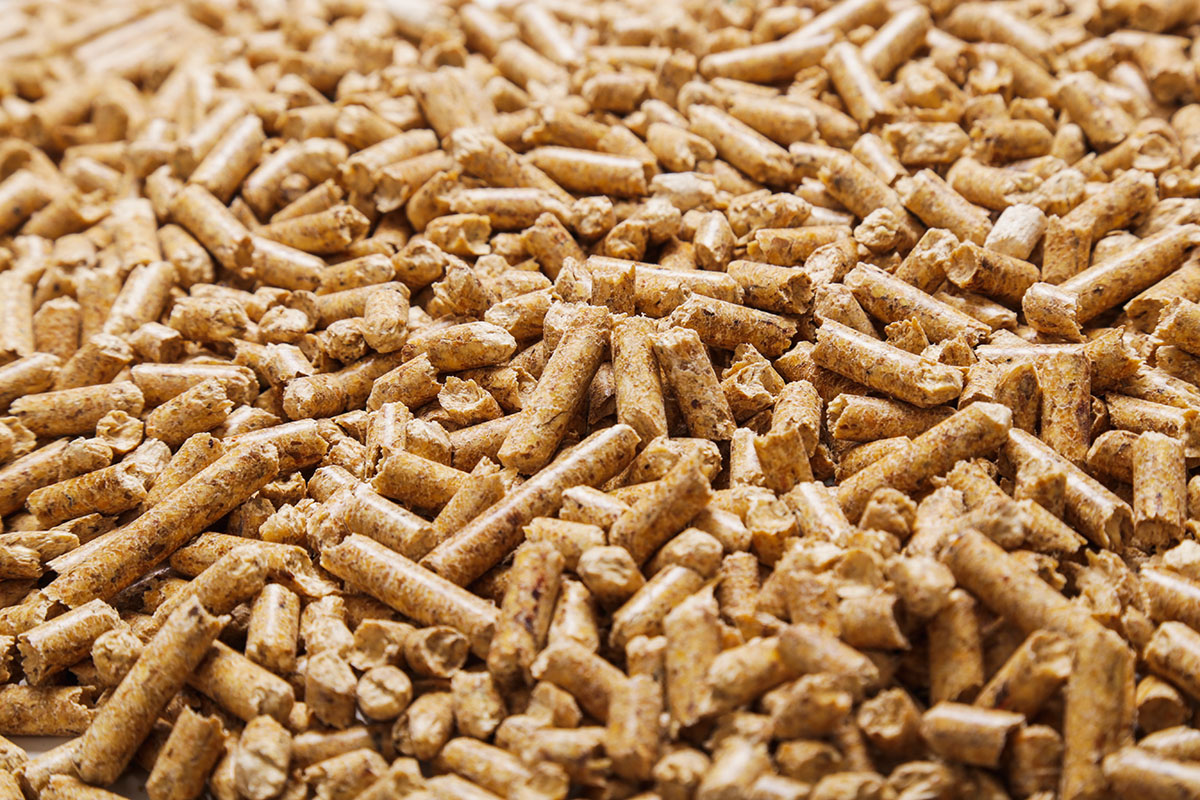
Biomass is not merely a collection of organic materials; it includes a diverse range of resources that can contribute to energy production. For instance, agricultural residues such as straw, corn stalks, and sugarcane bagasse can be transformed into bioenergy. Additionally, wood chips and sawdust from forestry operations can be processed into pellets for heating and electricity generation. Moreover, energy crops like switchgrass and miscanthus are specifically cultivated to provide biomass energy. These crops are often selected for their high yield and rapid growth rates, making them an efficient choice for sustainable energy production.
In exploring what is Biomass, we uncover its significance in energy production and environmental sustainability. It is a versatile energy source that can be used in numerous applications, providing an alternative to fossil fuels.
Energy Efficiency and Waste Management
For those wondering what is Biomass, it involves a range of processes that convert organic materials into energy efficiently. By understanding this, we can appreciate its dual benefits for energy production and sustainable waste management.
So, what is Biomass in terms of carbon neutrality? It’s a critical factor in assessing its impact on climate change.
In more detail, the burning of biomass is a straightforward method of energy production. For example, wood-burning stoves provide a reliable heat source for homes in rural areas. However, gasification is a more sophisticated process. In this method, biomass undergoes a transformation in a controlled environment, producing syngas, which can be further refined into fuels like ethanol or used to generate electricity. Anaerobic digestion also plays a key role in converting organic waste into biogas, which can be used for cooking or powering generators, showcasing the versatility of biomass as an energy source.
By knowing what is Biomass, we can leverage its potential while ensuring sustainable practices are in place.
It’s essential to understand what is Biomass when evaluating its role alongside other renewable energy sources.
Different processing techniques enable the conversion of biomass into energy. One such method is gasification, a well-established technology that transforms biomass into hydrogen and other by-products through a regulated process involving heat, steam, and oxygen, all without combustion. Another approach is anaerobic digestion, where bacteria decompose organic materials like animal waste, wastewater, and food scraps in an oxygen-free environment. This process allows biomass to be transformed into solid, liquid, or gaseous forms for energy production.
The environmental benefits of biomass extend beyond just reducing greenhouse gas emissions. For instance, biomass can help improve soil health when agricultural residues are returned to the land, promoting nutrient cycling. Furthermore, when biomass is sourced from waste materials, it not only generates energy but also supports waste management efforts. This dual benefit highlights the importance of adopting a circular economy approach, where waste is seen as a resource, thus enhancing sustainability.
Stakeholders must grasp what is Biomass to effectively collaborate on maximising its potential for sustainable development. Understanding what Biomass is is crucial to mitigating the environmental challenges it poses.
Addressing the environmental considerations of biomass is crucial. Sustainable biomass production practices involve selecting appropriate locations for energy crops to avoid damaging ecosystems. Furthermore, advancements in technology allow for more efficient biomass conversion, reducing the amount of waste produced during the energy generation process. It is also vital to consider the carbon neutrality of biomass; while it does release carbon dioxide when burned, the growth of new biomass absorbs CO2, creating a more balanced carbon cycle compared to fossil fuels.
Finally, we should consider what is Biomass when discussing its efficiency compared to other energy sources.
Environmental benefits of biomass
The question of what is Biomass remains vital as we seek to advance cleaner energy solutions.
Compared to fossil fuels, biomass stands out as a more environmentally friendly option due to its renewable nature. Managed sustainably, biomass cultivation and utilisation can help mitigate greenhouse gas emissions. Carbon dioxide released during biomass combustion is typically offset by the carbon dioxide absorbed during plant growth. Additionally, converting waste into biofuel offers the added benefit of reducing landfill waste, thereby curbing methane emissions, a potent greenhouse gas.
When comparing biomass to other renewable energy sources, such as solar and wind, it is essential to consider their complementary roles. Biomass can provide a stable energy source even when solar or wind resources are low, acting as a form of energy storage. Moreover, unlike solar and wind, biomass can generate energy continuously, making it a valuable addition to the energy mix. The integration of biomass with other renewable technologies can lead to a more resilient and reliable energy system.
Environmental Considerations
Furthermore, education and community engagement play a vital role in the successful implementation of biomass energy projects. By raising awareness about the benefits of biomass and involving local communities in decision-making processes, we can foster support for sustainable practices. Community-led biomass projects, such as local wood chip heating systems, not only provide energy but also create jobs and stimulate local economies, highlighting the multifaceted advantages of biomass.
Maximising the potential of biomass requires collaboration between various stakeholders, including farmers, energy producers, and policymakers. By creating incentives for sustainable biomass production and investing in research for innovative technologies, we can unlock new avenues for biomass applications beyond energy. For instance, biomass can be utilised in the production of bioplastics and biochemicals, further reducing reliance on fossil fuels and contributing to a more sustainable economy.
Despite its potential, biomass usage comes with environmental challenges. Improper management can lead to deforestation, as large swaths of forest may be cleared for energy crop cultivation. Moreover, biomass combustion releases carbon dioxide, contributing to climate change. At Quotex, we prioritise responsibly sourced biomass materials, ensuring minimal forestry impact from our suppliers’ cultivation practices.
Comparison with alternative energy sources
In comparing biomass with other energy sources, it’s crucial to acknowledge that biomass may be less efficient and resource-intensive in energy production. Nevertheless, its renewable nature and compatibility with existing energy systems make it a viable alternative to non-renewable resources like coal and natural gas.
Potential of biomass
While biomass holds promise as a sustainable energy solution, addressing environmental and economic challenges is paramount to maximising its benefits. By adopting responsible sourcing practices and investing in efficient conversion technologies, we can harness the potential of biomass as a renewable energy source while minimising its environmental footprint.